
Who I Am and Why These Stories Exist
I have been building other worlds for as long as I can remember: science-fiction adventures about people with secrets, dangerous futures, and the machines that shape them. These stories, designs, and worlds exist because words alone are not enough for me — I need to understand what the future looks like, how it works, how it sounds, and what kind of people survive inside it. And once I know that, I want you to come with me.
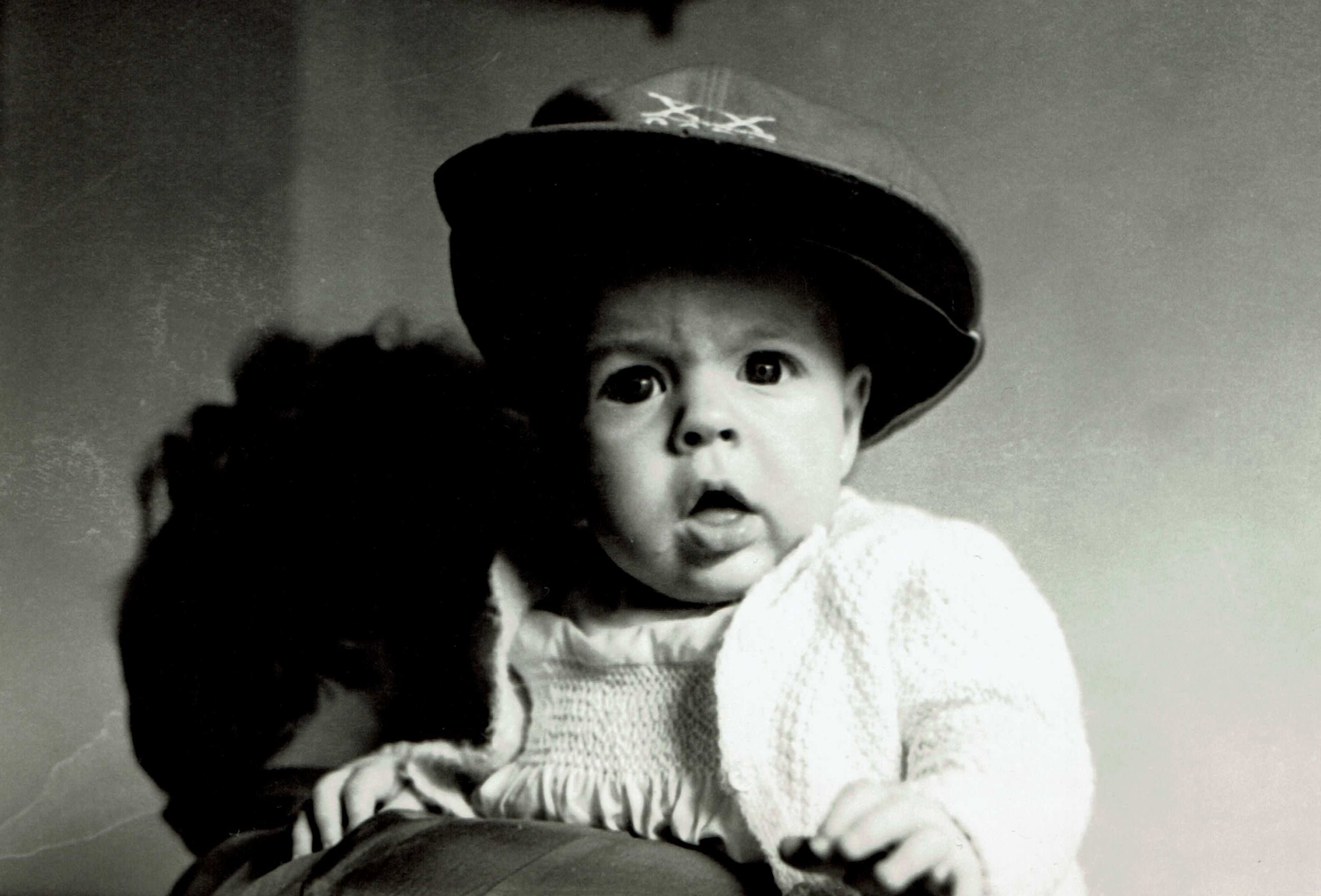
Me, Manchester, 900 years ago.
FROM MANCHESTER TO LONDON, SYDNEY, AND NEW YORK IN 18,250 (ish) DAYS…
I grew up in Manchester, in a place where imagination was not exactly a career plan. As a child, I was fascinated by the idea that somewhere else might exist — another city, another planet, another future, another version of life where the rules were different. Looking back, that makes sense. I was a misunderstood kid in a rough part of the world, and science fiction was never just entertainment for me. It was escape, shelter, fuel, and eventually a way of making sense of everything.
My father was an RAF pilot, but when he was not flying aircraft he spent his time in a cold, leaky garage rebuilding old cars. I remember sneaking in there as a boy, surrounded by twisted metal, oil, tools, rust, antifreeze, machinery, and half-dead things waiting to be made useful again. I did not understand it at the time, but that place never really left me. Years later, when I started writing about damaged cities, intelligent machines, broken futures, desperate people, and vast unknowable systems, I realized I had been walking around inside that garage my whole life.
That is probably why words alone have never been enough for me.
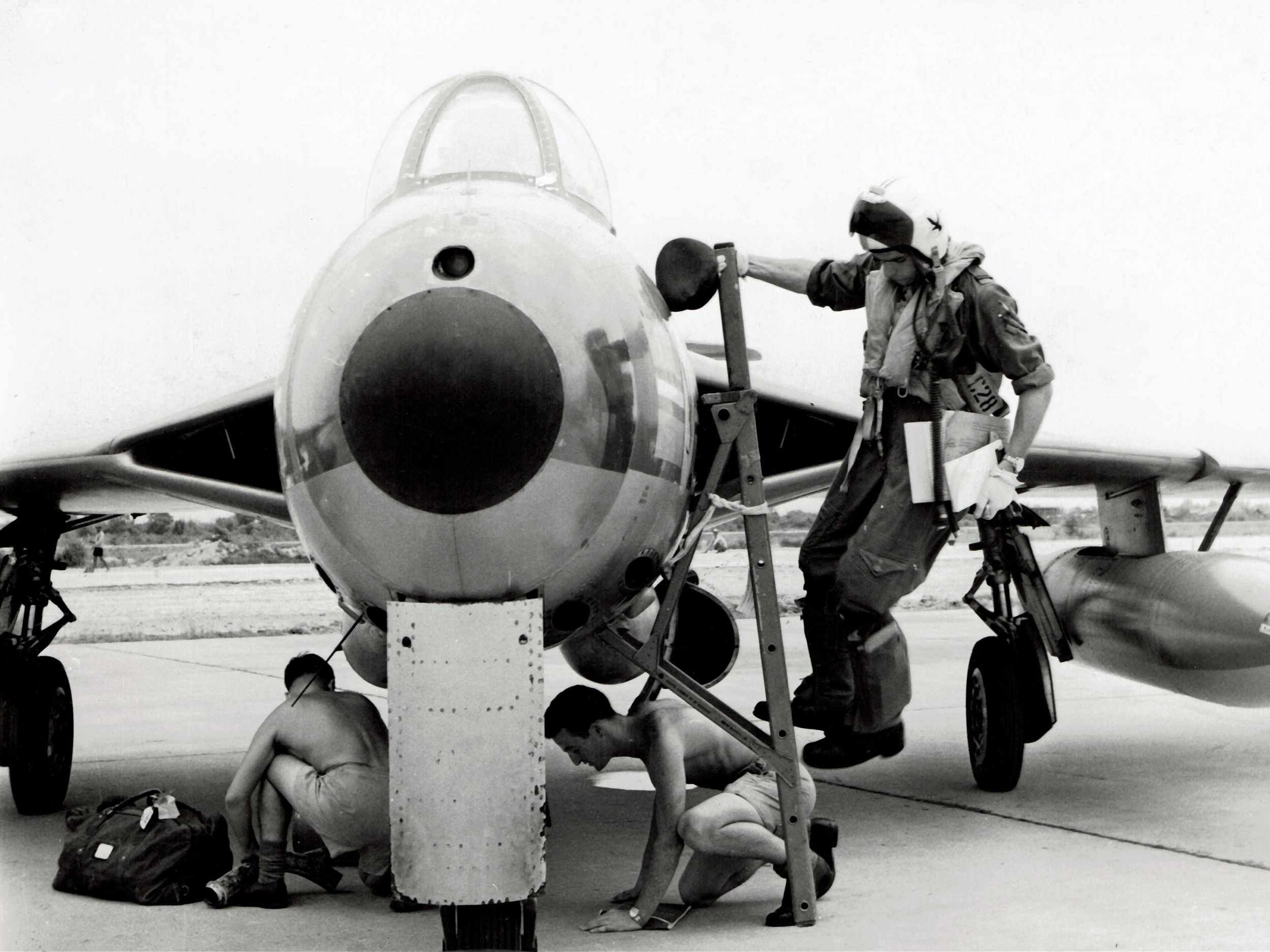
Patrick Keen (my dad) arriving at Udon Airfield, North East Thailand from RAF Tengah, Singapore.
I do not just want to write a story and leave the rest vague. I need to know what the world looks like. I need to know how the machines work, how the cities smell after rain, what the ships sound like when they dock, what the warning labels say, what the corridors feel like at three in the morning, and what kind of people survive in places like that. The characters always come first — people with secrets, damage, ambition, guilt, courage, bad judgment, and something to hide — but they have to live inside worlds that feel real.
That is where architecture comes in.
I trained and worked for over twenty years as an architect in London, Sydney, and New York, designing real buildings, speculative buildings, impossible buildings, and occasionally buildings that looked suspiciously like spaceships. Architecture taught me that imagined worlds need more than atmosphere. They need structure. They need systems, rules, history, wear, repair, failure, bureaucracy, engineering, and use.

Benrather Karrée, Düsseldorf, Germany.

Duke University, The Richard H. Brodhead Center for Campus Life, Durham, NC, USA

Dwight-Englewood School Hajjar STEM Center, New Jersey, USA
A spaceship is another form of architecture; a building-object designed to protect its inhabitants while it moves them from one planet to another. As such it should not just look cool. It should feel owned, operated, maintained, damaged, patched, regulated, loved, and feared.
That is what I bring to science fiction.
My Alice Yu books look forward into the near future: AI, automation, crime, surveillance, murder, and people trying to remain human while the world changes faster than they can understand. Fleet Obscura looks much further ahead, into a future civilization pushing into the unmapped reaches of deep space. It is a designed universe of stories, ships, schematics, technical records, strange machines, and the people who live, work, fail, and survive among them.
I make these worlds because I do not really have a choice.
This has been part of me since childhood. It is not a hobby bolted onto the side of my life. It is one of the ways I understand the world, and one of the ways I stay in love with it. I write and design science fiction because I still want to know what is out there, what happens next, and what kind of people we become when the future finally arrives.
And if that sounds like your kind of problem, I hope you’ll come with me.
I love hearing from readers, so drop me an email anytime at JIM@JIMKEEN.COMand lets chat 😀