
What I Write and What You Can Expect
I write science fiction about dangerous futures, people with secrets, and the machines, cities, systems, and technologies that shape their lives.
Most of my published work so far belongs to the Alice Yu Case Files: a near-future science-fiction series set in New York roughly thirty years from now, after the technological singularity and in the middle of automation-driven mass unemployment. It is a world of artificial intelligence, surveillance, crime, murder, corporate power, damaged people, and systems that have grown too large for anyone to fully understand.
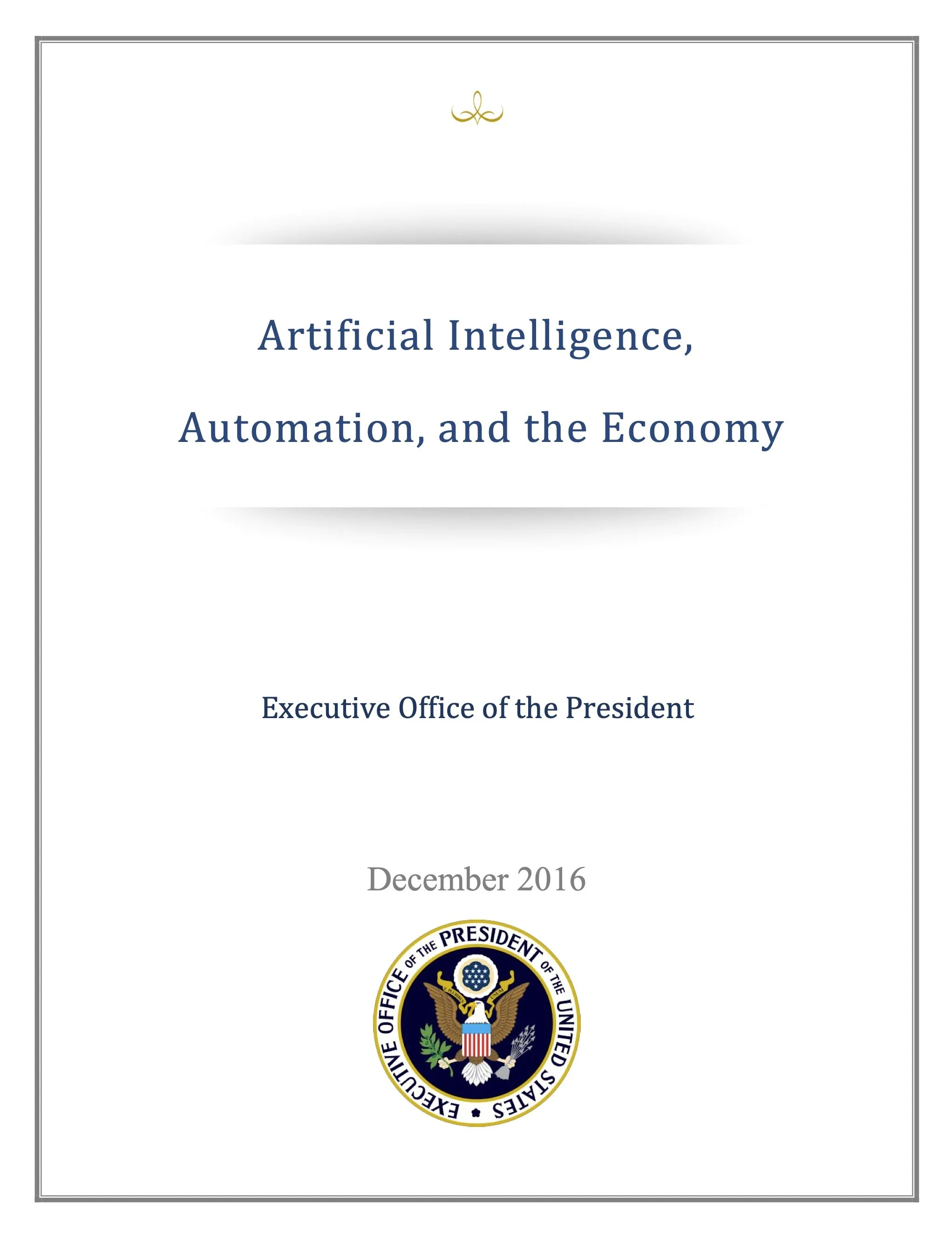
The strange thing is that I began writing these books in 2017 after reading the white house paper ‘Artificial Intelligence, Automation and The Economy.’ At the time, the world of Alice Yu felt like speculative fiction: a dark, accelerated version of where things might go if automation, AI, surveillance, and economic inequality kept pushing in the wrong direction. Now, uncomfortably, that future feels much closer. The timeline has moved faster than I expected. What once felt like invention now feels more like a warning catching up with us.
The Alice Yu stories sit somewhere between cyberpunk, thriller, mystery, and future noir. They are not about shiny utopias. They are about people trying to remain human inside a city and society that have already changed before anyone has had time to understand what happened. They ask questions that now feel very real. What happens when AI changes the nature of work? What happens when automation consumes whole industries? What happens when surveillance becomes ordinary? What happens when corporations, governments, criminals, and machines all know more about you than you know about yourself?
That is the territory I keep coming back to: people under pressure in futures that feel disturbingly possible.
But writing the story has never been enough for me. I have always needed to understand the world around the characters. What does it look like? How does it work? What does the machinery sound like? What kind of buildings do people live in? What do the warning signs say? What does the future smell of when something has overheated, failed, or been patched together one too many times?
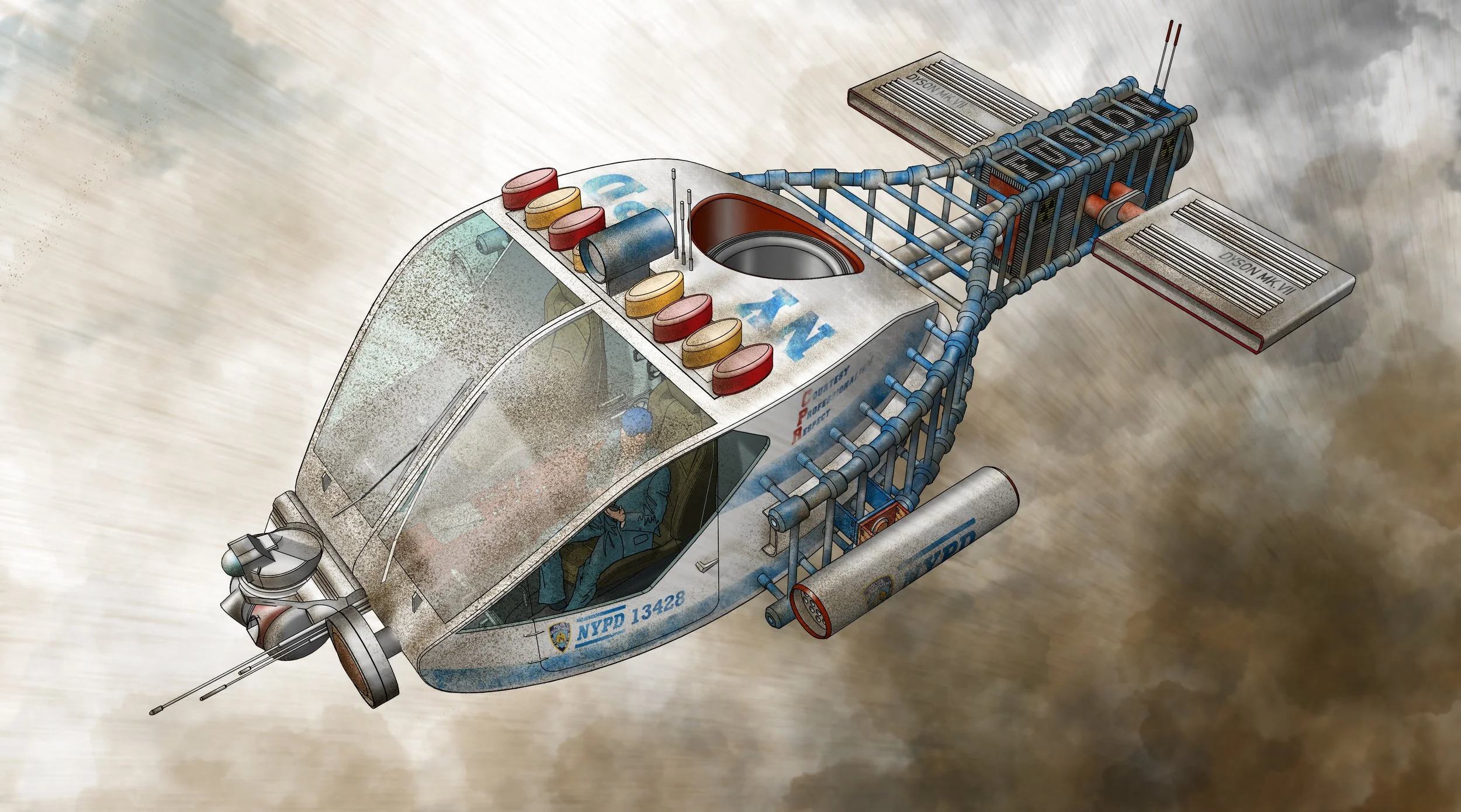
The 2055+ NYPD ‘Hopper’ aerial transport / 3D model in rhino, then textured in procreate and photoshop. Find out more here:
That instinct comes partly from a lifetime of loving science fiction, and partly from my training as an architect. Architecture teaches you that imagined places need structure. They need rules, systems, history, use, damage, repair, and consequence. A world is not believable because it looks impressive. It is believable because it feels lived in.
That is where Fleet Obscura begins.
Fleet Obscura is my next major science-fiction world: a designed universe of ships, schematics, technical records, expeditionary designs, and stories from the same wider future as Alice Yu, but set roughly a thousand years later. That distance opens the door to a much more expansive universe: deep-space exploration, unknown systems, long-range vessels, technical civilizations, frontier worlds, strange machines, and the records left behind by people pushing far beyond familiar human experience.
Fleet Obscura moves beyond the near-future pressure of Alice Yu into something larger, stranger, and more exploratory — but the core obsession remains the same: people, machines, danger, secrecy, survival, and the systems we build around ourselves.
It also lets me combine the things I care about most: storytelling, science fiction, architecture, industrial design, technical drawing, worldbuilding, and visual atmosphere. Fleet Obscura is not just a collection of spaceships. It is an attempt to make a future feel real through the objects, documents, vessels, fragments, and stories it leaves behind.
So if you are here, this is what you can expect: crime, secrets, future cities, artificial intelligence, strange machines, deep-space vessels, technical schematics, damaged people, hidden systems, and worlds built with enough detail that they feel as if you could step inside them.
That is what I write.
And increasingly, it is what I design.
Jim.
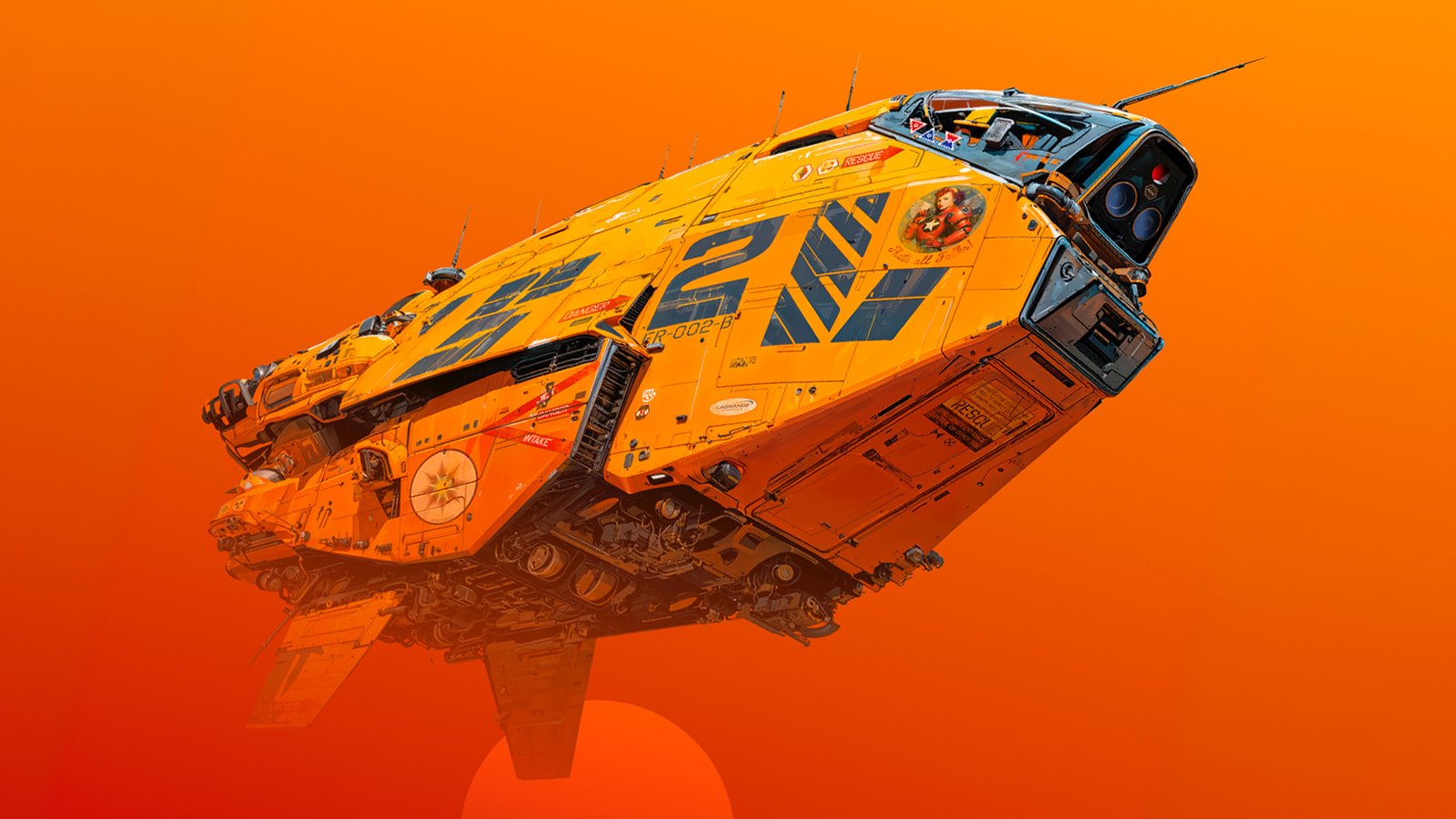
The ‘Yellow Jacket’ Fleet Escort, find out more about Fleet Obscura here: